New paper

I know it has been a busy start to the new year.. second paper of the year..

This new paper, marks the last of the thesis paper from Dr C Bisker, Comparative soil bacterial metabarcoding after aboveground vs. subsurface decomposition of Mus musculus

Link: Comparative soil bacterial metabarcoding after aboveground vs. subsurface decomposition of Mus musculus | Scientific Reports

Abstract

Outdoor microcosms, metabarcoding with next-generation sequencing of the 16S rRNA bacterial gene, total body score (TBS) and physicochemical analyses were used to monitor Mus musculus decomposition aboveground (A) and in the subsurface (S), and compared to soil-only controls (C). As determined by MaAsLin2 analysis, significant shifts in bacterial communities at 30 cm depths within the A, S and C treatments distinguished control from experimental soils, and between aboveground and subsurface deposition, demonstrating the potential for gravesoil discrimination during the first 90 days. For example, Dokdonella (p = 0.0002), Edaphobaculum (p = 0.0004) and Lacibacter (p = 0.0034) recorded significant shifts relative to sampling time. Furthermore, Massilia (p = 0.0005), Mycobacterium (p = 0.0006) and Sandaracinus (p = 0.0007) increased in abundance for the aboveground mice treatments. This was confirmed with ANOSIM where p = 0.0082 showed statistically significant difference between the aboveground and subsurface deposition. TBS and physicochemical analyses suggested that nutrient release into the soils occurred during active decay and skin rapture on days 7–13 in the subsurface and days 13–20 aboveground, with a particular increase in soil potassium concentration on day 15. Significant differences in soil temperatures resulted between A and S vs. C microcosms, aligning with atmospheric temperature changes. In summary, complementary application of metabarcoding, total body score, exogenous and physicochemical methods for postmortem interval estimation and clandestine grave location highlighted the feasibility of using temperature records downloaded from meteorological stations and portable X-ray fluorescence as indicators for various phases of decomposition.

New Paper

New paper

Rhys started his PhD work in 2017 and one of the things that was always at the forefront of our thinking, was the impact was bones diagenesis.. diagenesis is so complex, but this is one paper that helps pull together variable which impact.. so really pleased it is finally out..

Bone Diagenesis and Extremes of Preservation in Forensic Science
Abstract: Understanding the composition and diagenetic processes of the deposition environment is pivotal to understanding why bone undergoes preservation or diagenesis. This research explores the complex nexus of diagenesis at the extremes of preservation, via the interdependent chemical, and short- and long-term microbial processes that influence diagenesis. These processes include dissolution, ion exchange, hydrolysis, recrystallisation, waterlogging, acidity and alkalinity, soil composition, redox potential, bacterial activity, and microbiome composition. Diagenetic processes are discussed in relation to typical sites and sites with extremes of preservation. Understanding site conditions that impact diagenetic processes is critical to understanding the visual features presented in recovered skeletal material, ensuring an appropriate post-mortem interval is assigned, and for subsequent post hoc analysis of bone.

Bone Diagenesis and Extremes of Preservation in Forensic Science


New Book published

It is with great pleasure to announce the publication of a book chapter in:

The Bloomsbury Handbook of Experimental Approaches to Roman Archaeology

At the AIA I was able to finally to get my hands on it, as the first print run sold out..
the volume has some amazing chapters, including ‘Chapter 11: Roman Leather Manufacture and the Archaeological Record: An Experimental Approach
Hrafnhildur Helga Halldórsdóttir and Gillian Taylor (Teesside University, UK)’

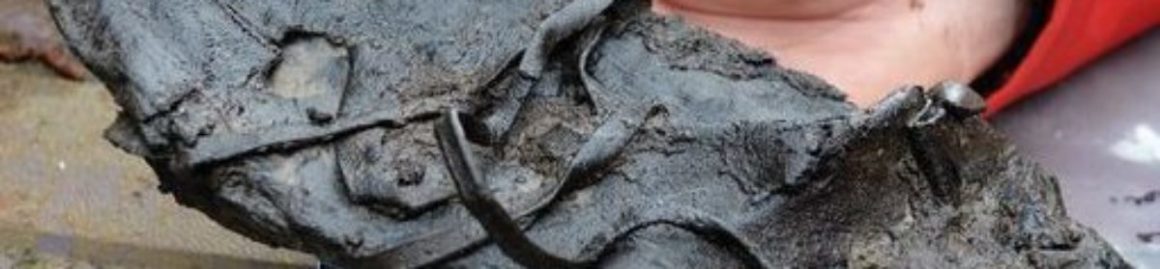
Out of the lab.. Vindolanda shoes and Lepidina’s Slipper

For two weeks only in January, the Vindolanda museum closes to allow cleaning and scheduled maintenance, but which also allows is in to take a closer look at items on display..

It was an absolute privilege to get a closer look at lepidina  slipper:  Here is a link to more shoes and information: This lady’s slipper was also found in the Cerialis’ house and is sometime affectionally called Lepidina’s slipper. It is the equivalent of a flip flop in design but a very expensive one at that. It was made in Gaul (modern France) by Lucius Aebutius Thales, we know this because he stamped the shoe with a maker’s mark. The shoe is further stamped with vine leaves and two cornucopiea interlocked across an ear of corn. Whether it was Lepindia’s or not it was definitely owned by a women who had money to spend on nice shoes. A simple breakage of the toe thong and she has thrown it away. Many other shoes from the site show evidence of repair but this one was discarded.

AIA Philadelphia

It was an absolute please to present at the Archaeological Institute of America annual meeting in Philadelphia.

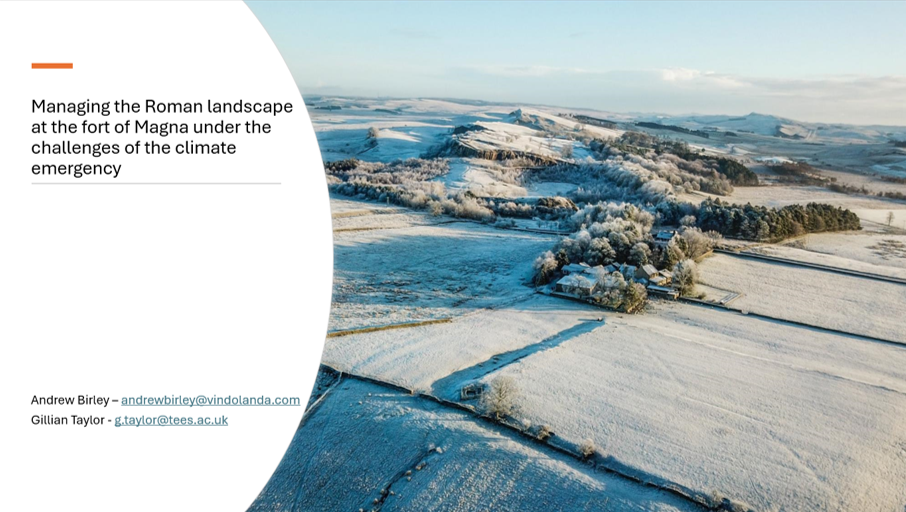
I was presenting in the climate impact session, showcasing our latest work on climate change upon leather artefacts, entitled ‘The impact of climate change on oxygen-reduced archaeological contexts at Vindolanda, UK’ lead author Elizabeth Greene, Western Onatrio and discussing our ‘ Use of continuous monitoring as a strategy to assess climate change at Magna Roman Fort, UK. 

We are busy working on the publications on both of these topics, so watch this space

LIMES Congress: Batumi Georgia

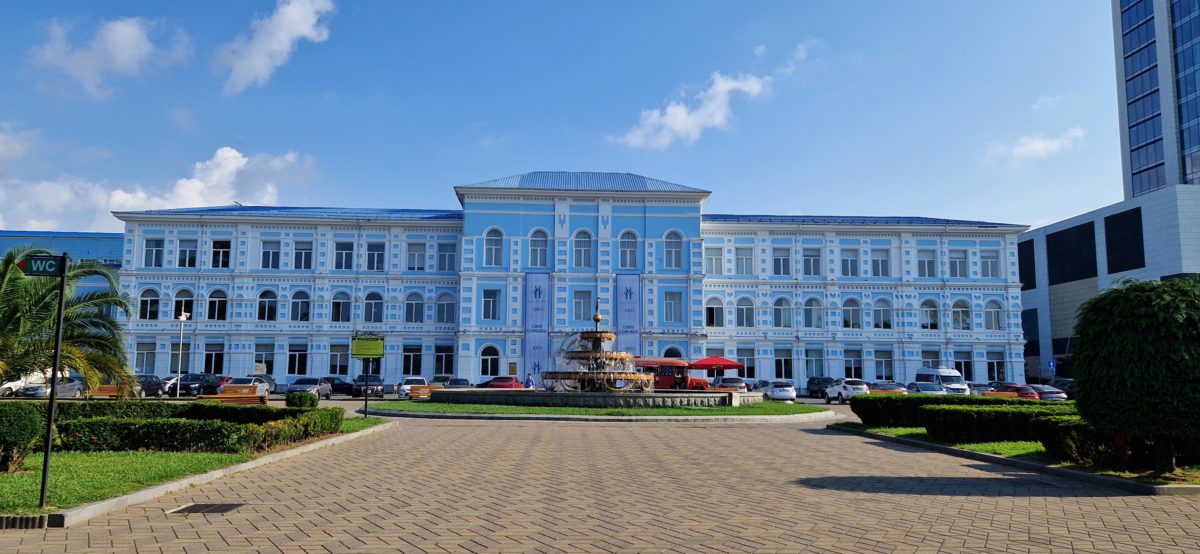
LIMES  – Congress on Roman frontier Studies, held every 3 years since 1949. In 2024 this was at Batumi State University Georgia

The opening ceremony was fun and welcomed everyone to the beautiful culture of Georgia
This week long event allows delegates to attend sessions, but also has two excursions across georgia. Batumi is a lively city on the edge of the blacksea, with an abundance of casino’s! Our accommodation was in the old town, with a great mix of shops, bars and culture.

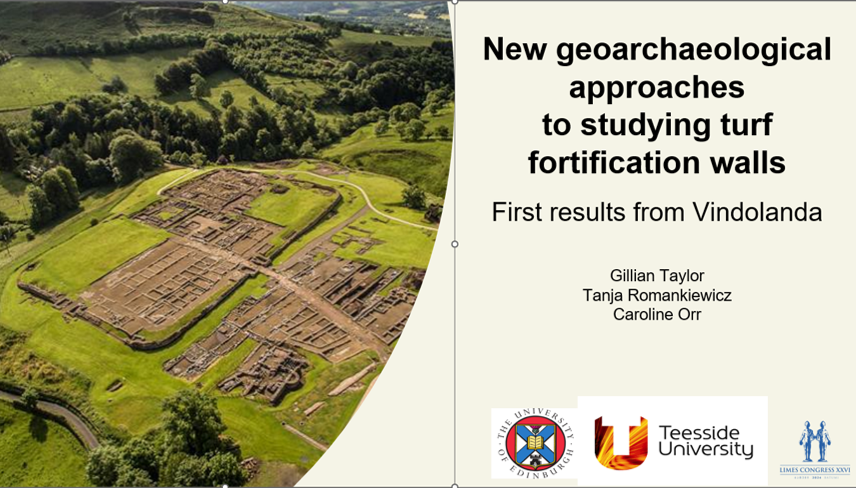
Monday was my day of presenting.. first up was data from our ‘grassroots’ projects, looking at understanding Turf. We have used a combination of analytical techniques, such as total carbon, total nitrogen, pH, EC, pXRF and GCMS. To keep to the 15 minutes, we  only presented on the total carbon, showing that total carbon could possibly discriminate against different occupation periods, due to obtaining turf from different areas, canopy covered, grassland. Much more to be done but slowing building up a turf toolkit.. watch this space

Monday afternoon, I was co-chairing a session  with Dr Andrew Birley, Vindolanda Trust. The session was climate change on the roman frontiers, we had a packed room and a lively session. Dr Rebecca Jones from the National History Museum Scotland, gave a fascinating talk on Climate Vulnerability Index and a call for more sites to create and share data.

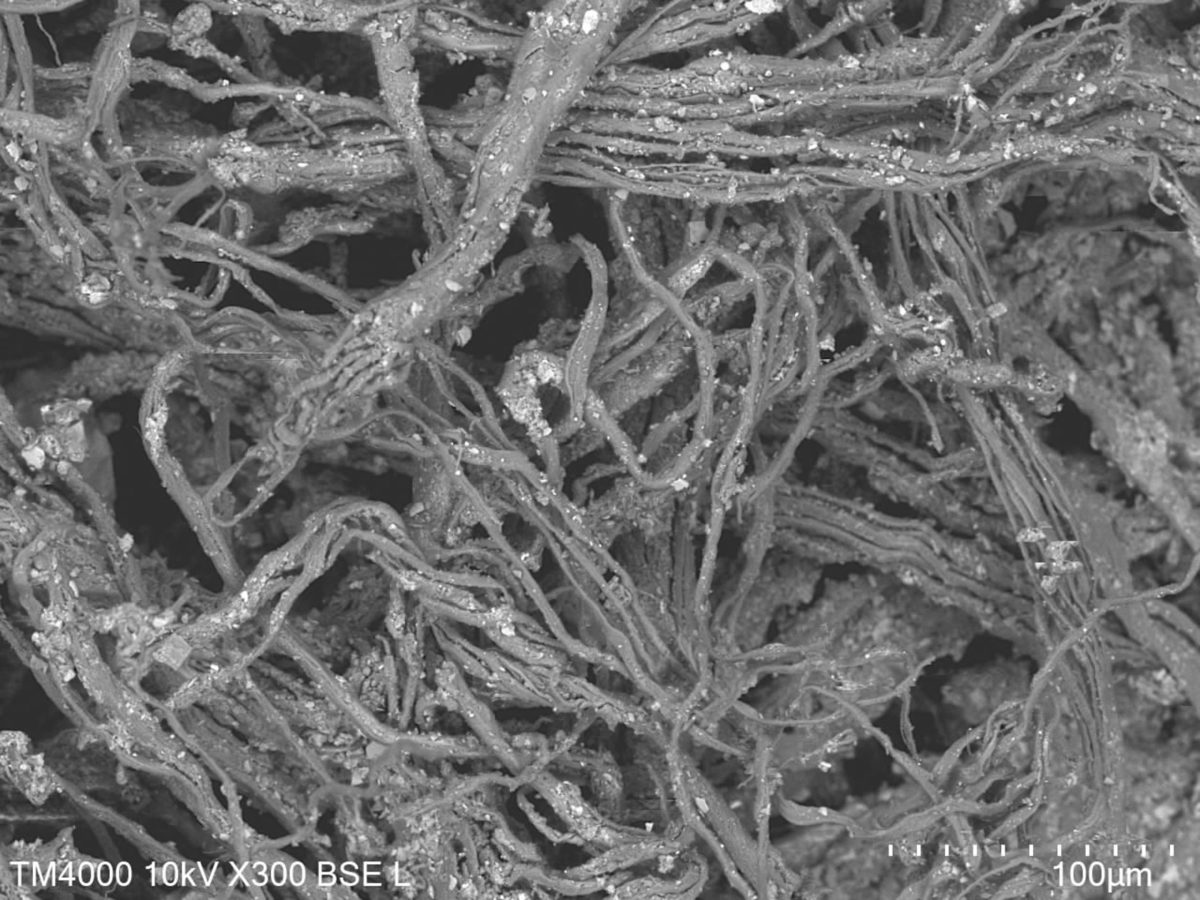
Elizabeth Greene presented on changes in leather artefacts degradation from 1970-2020’s  at Vindolanda. This was a project which developed from questions regarding degradation, shows clearly that through the use of analytical instrumentation, fundamental visual differences between leather excavated in the 70/80’s to the leather excavated in the 90-2020’s can be shown. Although, alot more work has to be undertaken, this is exciting and new area.

SEM image of leather

The last talk was the most recent environmental monitoring data from Magna Roman Fort, this is the first environmental monitoring system on Hadrians wall addressing the impact of climate change. Over the last 3 years we have been monitoring the chemical changes and impact of our changing seasons.. especially our very wet 2024 summer!

It was an absolute pleasure to co-chair and organise this impactful session, which I am sure will become a main theme for many conferences in the future

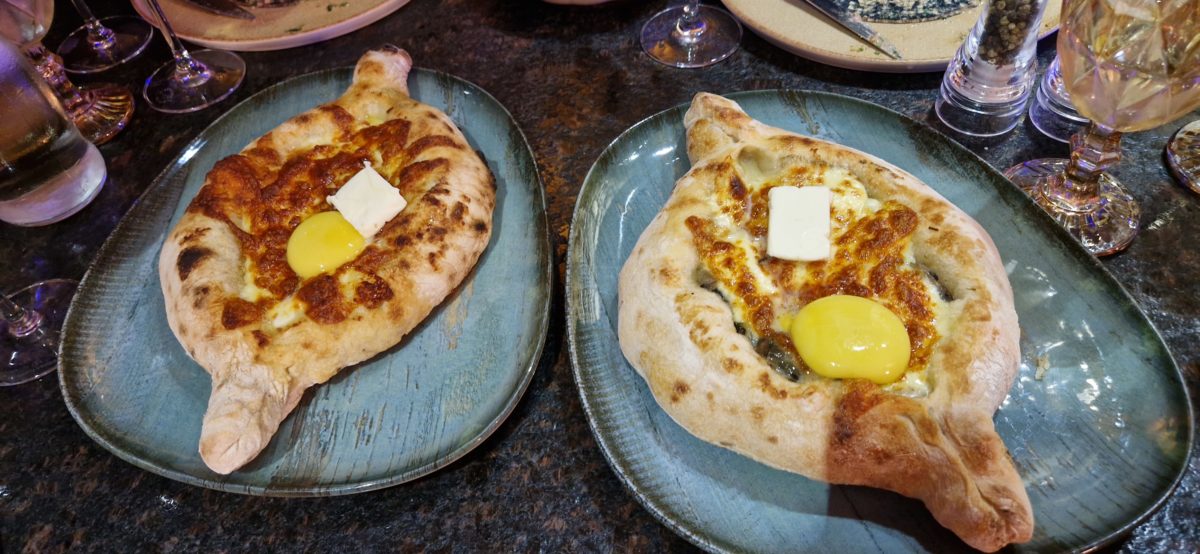
One last thing.. if you like bread and cheese.. batumi is the place to visit

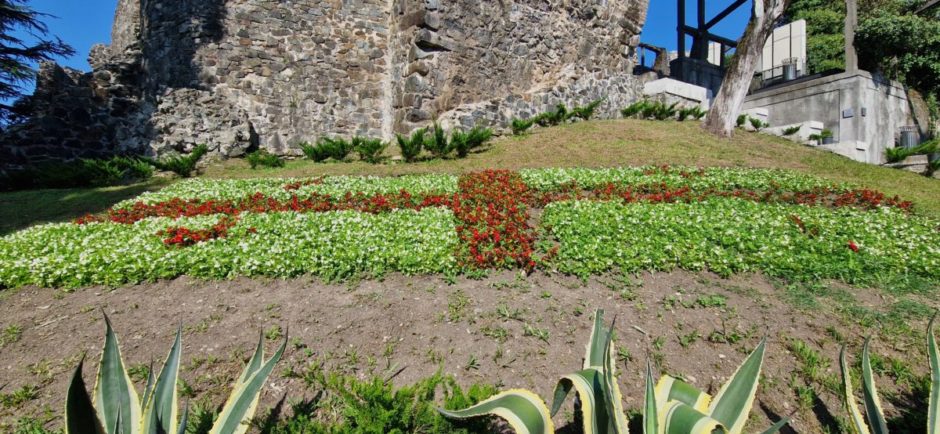
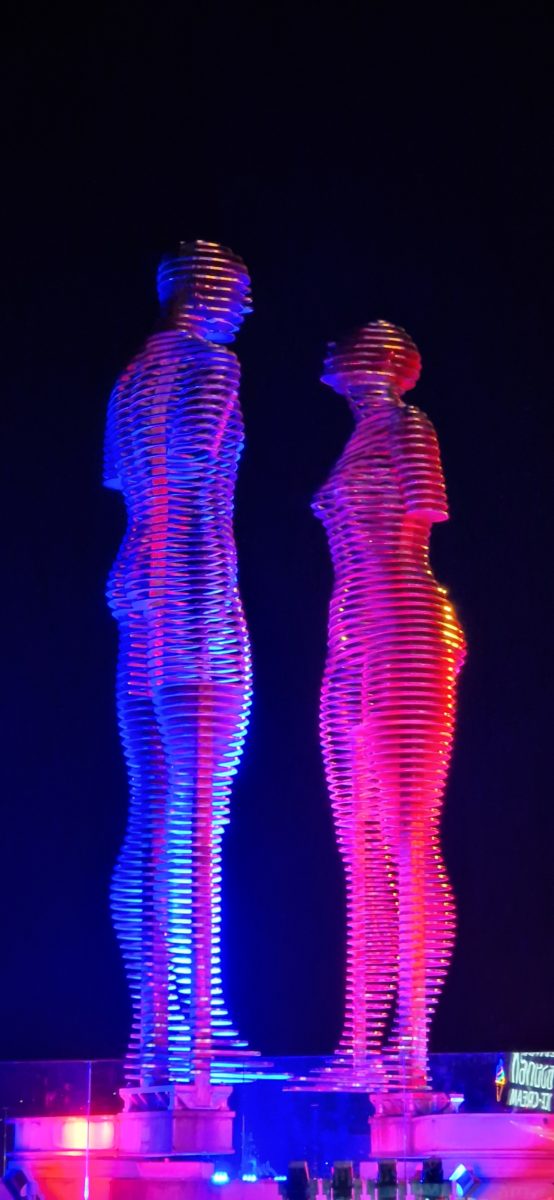
and the public art works..

EAA Rome Sep 2024

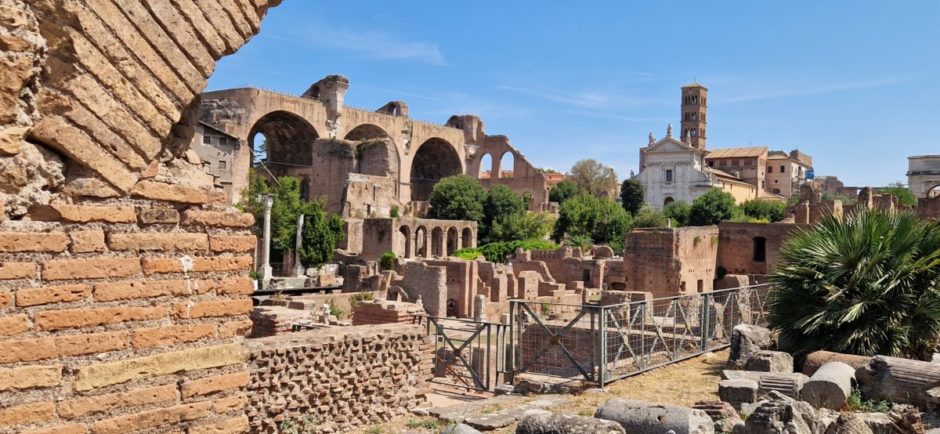
The EAA is the great conference to experience a vast range of archaeological subjects over 3 days.. Rome is one of my favourite cities, but in august with high humidity.. often feels like your in a continuous steam room!

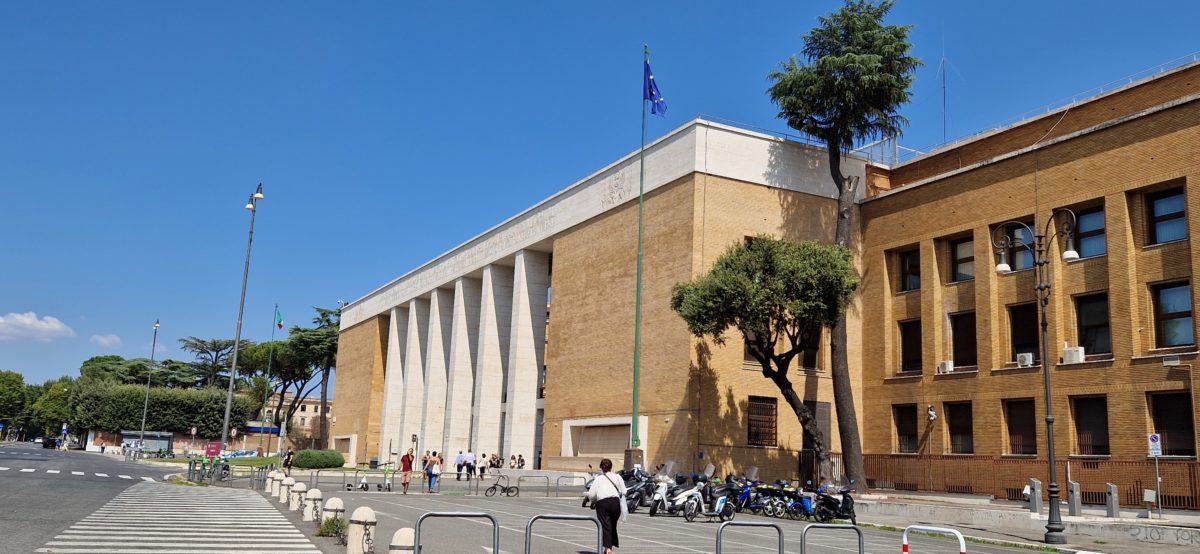
Sapienza University – EAA host

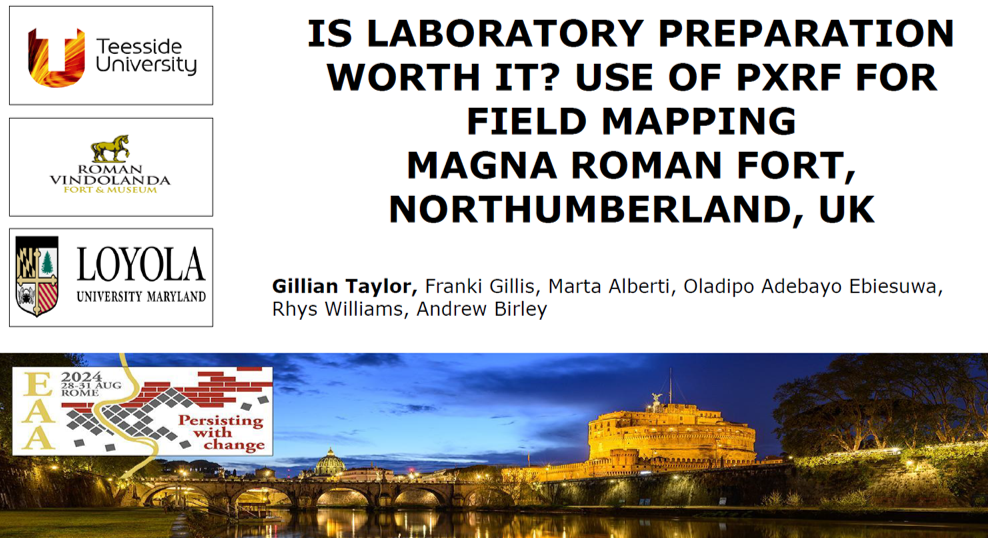
My pXRF talk was one of the very first talks on thursday, the talk was entitled ‘is laboratory preparation worth it? use of pXRF for field mapping, at Magna Roman Fort’. The talk emphasised the need for laboratory verification of results, but also presented out first work on soil mapping before and during excavation at the Roman site of Magna, on Hadrian’s wall.

There was no rest on friday, I co-chaired a session ‘ Paris or Pardigm shift’, what a great series of talks, covering aspects of policy and case studies from USA, Ireland and the UK

With so many talks on saturday, I opted to stay in the goat/sheep session, Elizabeth Greene was presenting our recent work on species determination using ZooMS from the Vindolanda leather collection. Although, Elizabeth was still in canada we were hoping the zoom link would work!! we were wrong.. and I ended up giving an impromptu talk. The session was amazing, the use of ZooMS and different proteomic and genomic applications, from samples under different environmental conditions was fascinating, congratulations to the session organisers.

Community engagement

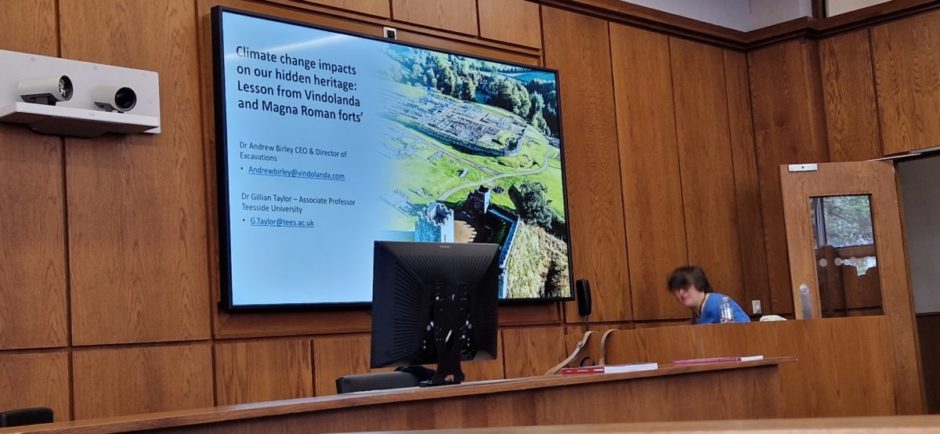
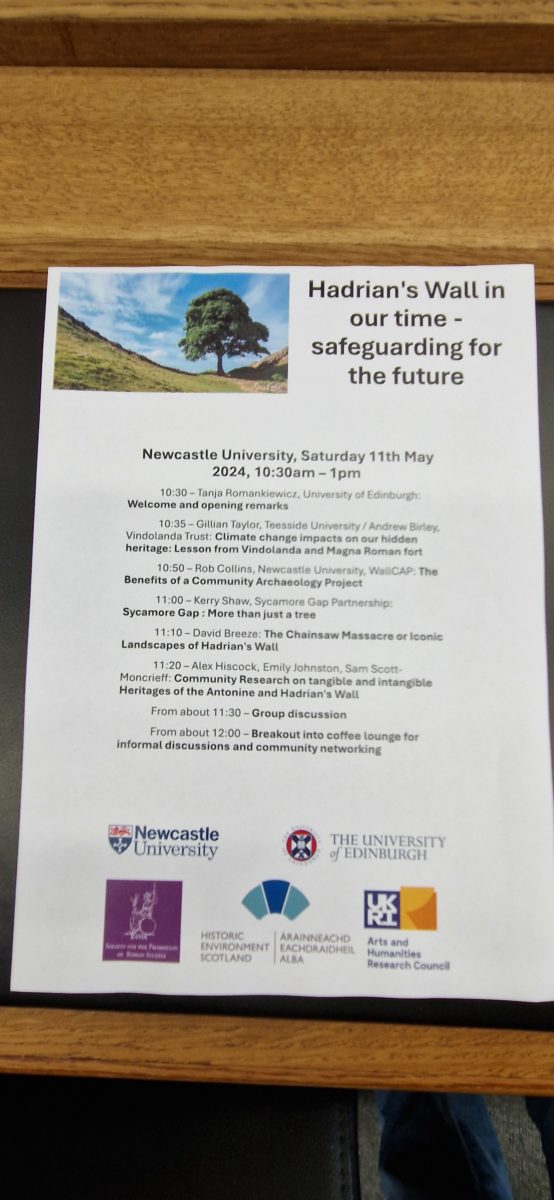
On the 11th May, had a fantastic time presenting climate change monitoring data with Dr Andrew Birley, Vindolanda Trust. It was a community event, considering Hadrian’s Wall in our time – safeguarding for the future.

The range of talks and conversation afterwards was fascinating, so many people passionate about protecting our heritage.

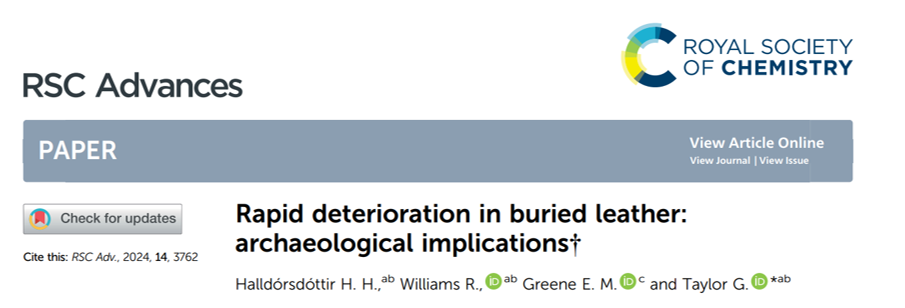
New paper: Rapid deterioration in buried leather: archaeological implications

This recent paper was the accumulation of work by Helga Halldorsdottir, huge data sets and some really novel results. The experiment set up was amazing..

Non-destructive FTIR-ATR analysis was applied to experimentally buried vegetable-tanned leather and archaeological leather excavated at the Roman site of Vindolanda, UK. Analyses focused on observing and monitoring changes in functional groups related to leather tannin, collagen and lipid components following burial. FTIR spectra were also collected from the tannin material and untanned hide, capturing the major structural differences between four stages of the leather material life cycle: The raw material, the tanned leather, the decaying buried leather, and archaeological leather.

Results highlighted rapid changes following experimental burial in wet soil, tentatively associated with early onset microbial activity, targeting readily available lipids but not tightly bound collagen. Before burial, major differences were present in leather spectra based on manufacture, but early after burial in wet soil, FTIR-ATR spectra indicated de-tanning could occur rapidly, especially in waterlogged conditions, with archaeological leather becoming more uniform and similar to untanned leather. Thus, comparison of FTIR-ATR results from archaeological leather to experimentally buried leather samples of known pre-burial manufacture proved useful, while comparison to FTIR-ATR data from modern unburied leather did not. Despite de-tanning occurring soon after burial, the vegetable-tanning method does impact long-term preservation of leather in wet soil. The impact could not be directly associated with the proportion of condensed to hydrolysable tannin, suggesting alternate variables impacted the preservation. Furthermore, mineral components introduced into the leather through the animal skin, tannin material and/or tannin liquid are tentatively suggested to contribute to this impact. A high degree of heterogeneity in error results within the experimentally buried sample material underlined that any changes in collagen ratios cannot be overinterpreted and must be considered within the context of larger datasets.