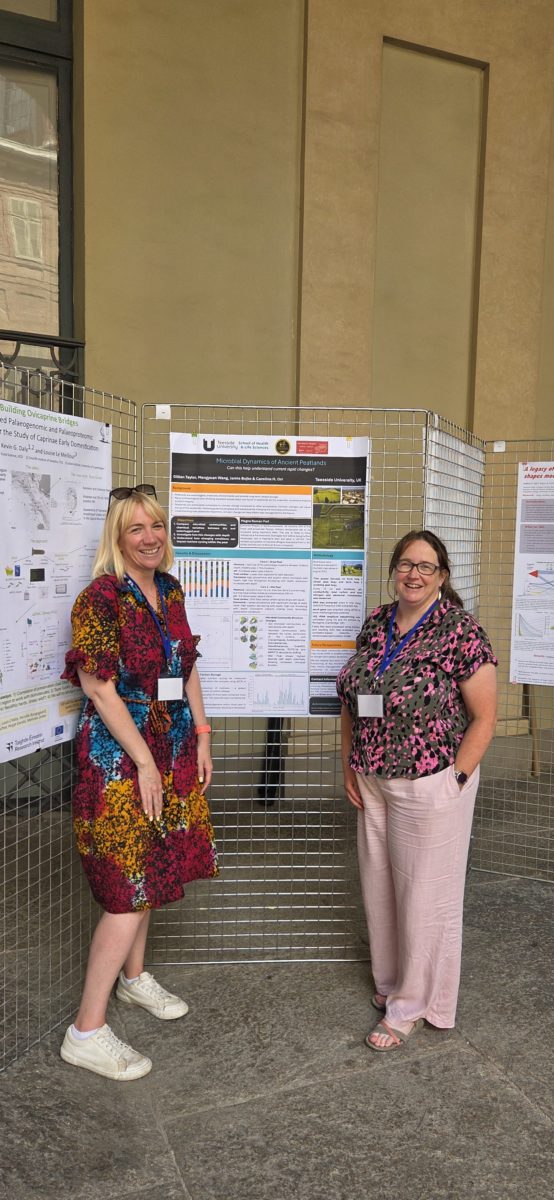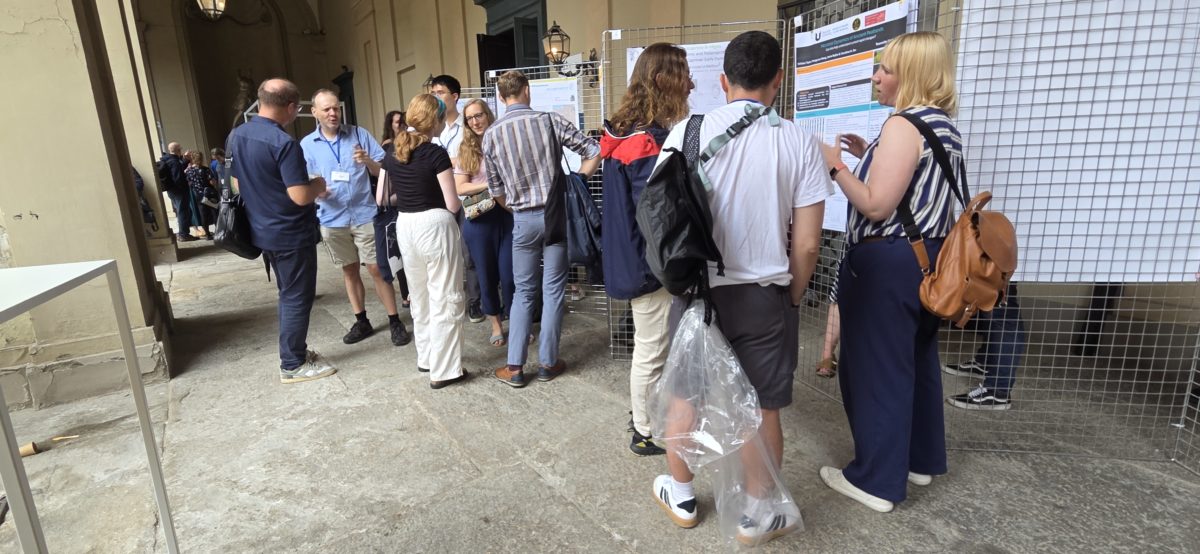
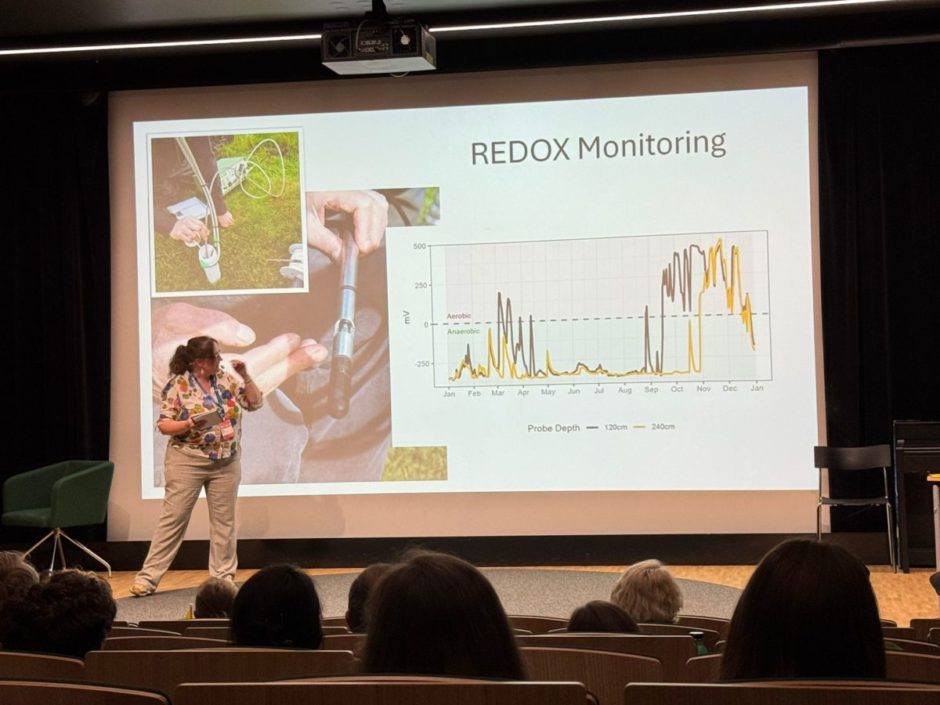
In september (I know I am way behind updating!!), I was fortunate to attend ICOM-C.C Working Group on `Wet Organic Archaeological Materials´ 16th interim meeting in Gothenburg, Sweden, 15-19th of September 2025.
This was my first time presenting to ICOM – International Council of Museums and it was a great, firstly to meet potential new collaborators and secondly discussing techniques they use on objects.
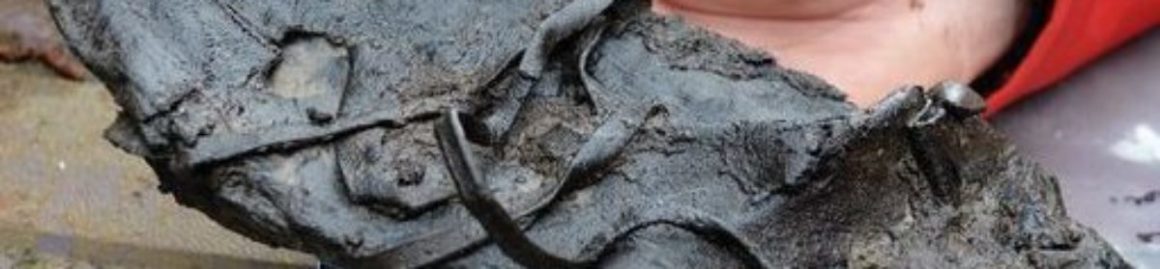
The paper I presented was ‘Characterising the degradation of leather through the decades: Evidence from 50 years of excavations at Vindolanda Roman Fort’ You can read the paper here
At vindolanda we are lucky to have a collection that has been curated since the 1970’s and continues to this day, which means from a science view point, a great way to look across these samples for change. Unsure what we would originally find, the experimental work, compelted using pXRF, FTIR and SEM showed us changes were mainly observed in the 1990’s, through the loss of the collagen structure.
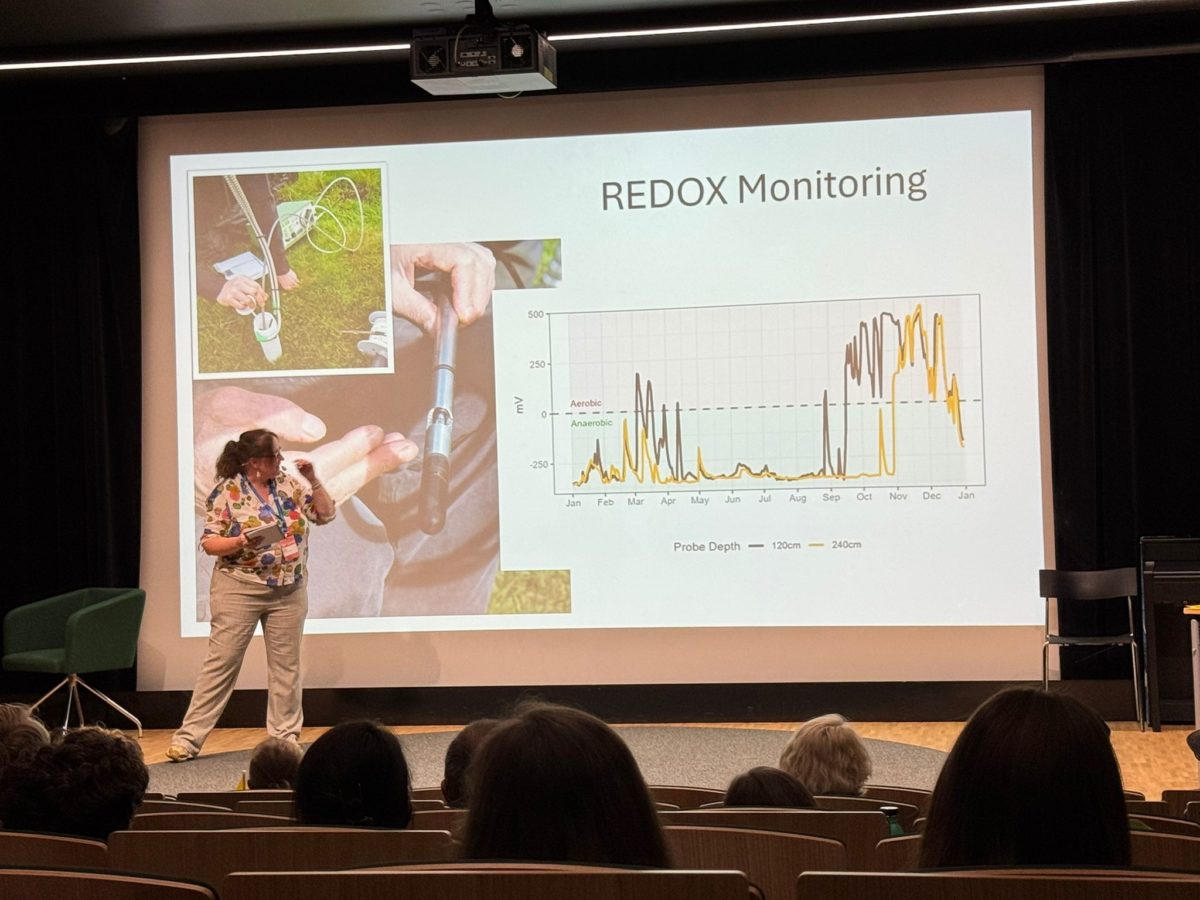
Even though the talk was leather focused, I included many aspects of our climate change work and especially the monitoring we are doing at the site of Vindolanda and Magna